


Paint by Numbers Blog
Do You Need an Easel for Paint by Numbers? Exploring the Benefits and Options

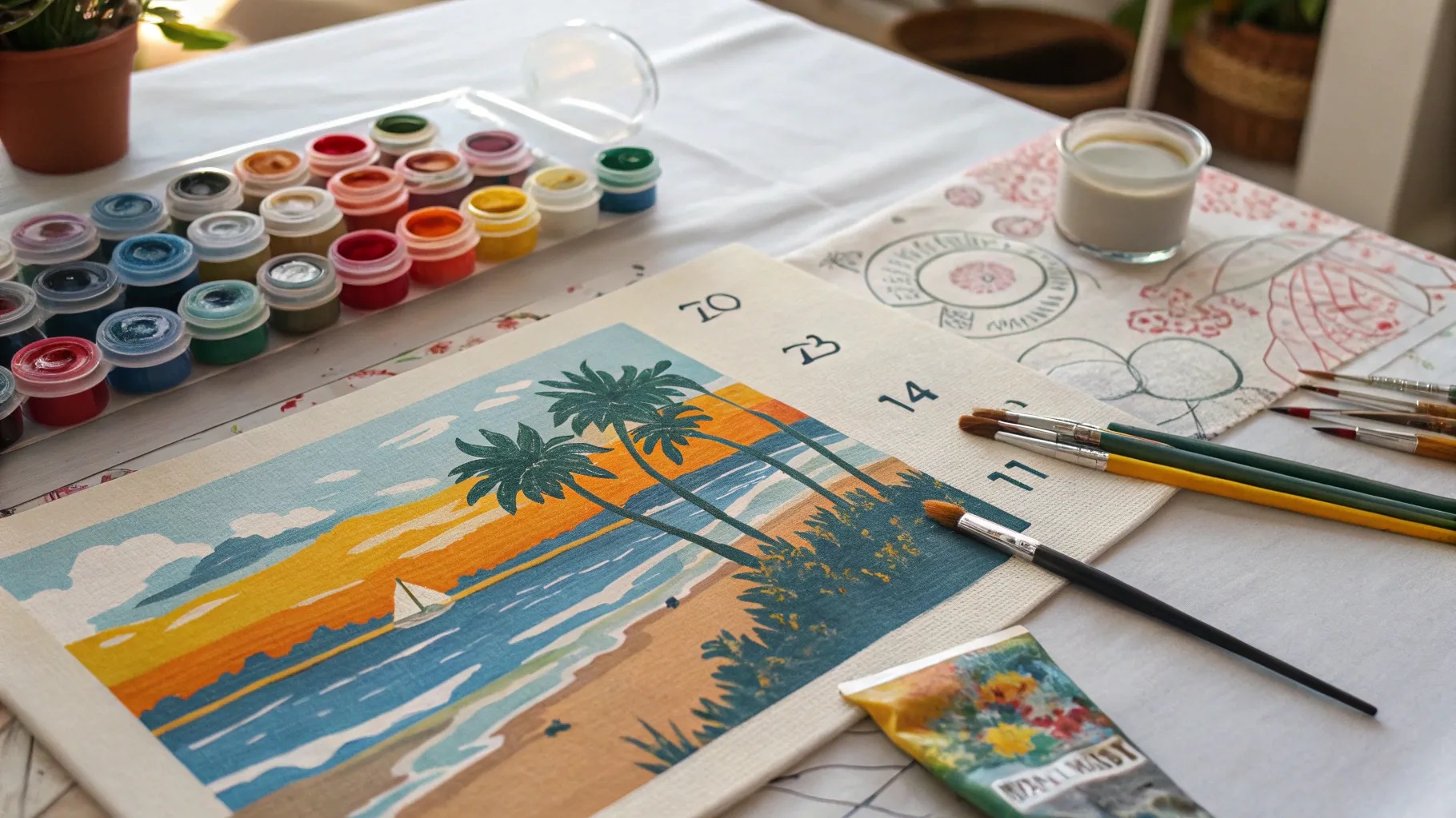
Paint by numbers is a creative activity that simplifies painting into a structured format, making it accessible even to those with no prior experience. Each canvas is divided into numbered sections, with corresponding numbers linked to specific paint colors. This method not only guides beginners through the process of creating art but also fosters a sense of accomplishment as the final image takes shape.
The appeal of paint by numbers lies in its simplicity and the relaxation it offers. As we fill in each section, we are gently guided into a state of focus, akin to meditation. This structured approach can help reduce stress and anxiety, allowing us to enjoy the creative process without the pressure of having to freehand an entire composition. Whether you’re looking to unwind after a long day or seeking a new hobby, paint by numbers offers a rewarding experience.
For those venturing into this art form, understanding the basic materials is crucial. Aside from the canvas and paints, brushes play a pivotal role in the quality of the finished piece. Ensuring that you have brushes that are appropriate for the size of each section will enhance your experience and the final outcome. This preparation sets the stage for a deeper exploration into whether an easel might enhance your paint by numbers projects.
The Role of an Easel in Paint by Numbers Projects
An easel can be an essential tool for artists, whether they are creating from scratch or working on paint by numbers. Its primary function is to hold the canvas at a comfortable angle, which can significantly enhance the painting experience. This is particularly beneficial for maintaining good posture and reducing strain on the neck and back, which is crucial when engaging in long painting sessions.
The convenience of an easel extends beyond physical comfort. By elevating the canvas, it becomes easier to assess the artwork from different perspectives. This helps in noticing subtle details or mistakes that might not be visible when the canvas lies flat on a table. Furthermore, the ability to step back and view the entire piece at eye level can provide a better sense of balance and composition, aiding in more accurate paint application.
While not mandatory for every painting by numbers enthusiast, an easel can transform the experience from a casual pastime into a more immersive and professional endeavor. It offers a sense of organization and dedication to the craft, potentially enhancing the enjoyment and satisfaction derived from each completed piece. Understanding the various benefits of using an easel can help you decide if it's a worthwhile addition to your artistic toolkit.
Benefits of Using an Easel for Paint by Numbers
Utilizing an easel during your paint by numbers projects offers several advantages that can enhance both the process and the outcome. One of the most significant benefits is the improved comfort and ergonomics it provides. Painting on a flat surface for extended periods can lead to discomfort, but an easel allows you to adjust the angle and height of the canvas, promoting better posture and reducing physical strain.
Another advantage is the increased mobility and flexibility an easel offers. With the canvas elevated, it's easier to move around the work, allowing for more dynamic strokes and better access to different sections of the painting. This can be especially beneficial when dealing with complex designs that require detailed attention. Moreover, the ability to rotate the canvas can aid in reaching difficult areas without having to contort your body awkwardly.
Lastly, using an easel can significantly impact the quality of your work. The upright position of the canvas allows you to see the artwork as it will be viewed when displayed, which can lead to more accurate color application and blending. Additionally, the improved perspective helps in maintaining proportions and symmetry, ultimately leading to a more polished and professional-looking final product.
Types of Easels: Which One is Right for You?
Choosing the right easel depends on various factors, including your painting style, available space, and budget. The most common types of easels are:
- A-Frame Easels: Also known as tripod easels, these are popular for their stability and adjustable angles. They are well-suited for medium to large canvases and can be easily folded for storage.
- H-Frame Easels: These easels offer robust support and are ideal for larger canvases. Their sturdy construction provides excellent stability, making them a favorite among serious artists who require a permanent setup.
- Tabletop Easels: Perfect for small spaces, these compact easels rest on a table or desk. They are ideal for smaller canvases and are easily portable, making them a great choice for those who like to paint in different locations.
- Convertible Easels: Versatile and adaptable, these easels can switch between a vertical and horizontal position. They are excellent for artists who work in various media and require flexibility in their setups.
Each type of easel has its own set of benefits, and the right choice will largely depend on your specific needs and preferences. It's essential to consider how and where you intend to use the easel, as well as the size of the canvases you typically work with. By weighing these factors, you can find an easel that enhances your paint by numbers experience and suits your artistic style.
Portable vs. Studio Easels: Pros and Cons
When deciding between a portable and a studio easel, it's important to consider the advantages and disadvantages of each. Portable easels are designed for convenience and mobility, making them ideal for artists who frequently paint in different locations. Their lightweight nature and collapsible design allow for easy transportation and storage, which is perfect for those with limited space or who enjoy painting outdoors.
However, portable easels may not offer the same level of stability and support as studio easels. They are often smaller in size, which can limit the size of the canvas you can use. Additionally, they may not provide the same level of adjustability in terms of angle and height, potentially leading to discomfort during extended painting sessions.
Studio easels, on the other hand, are built for durability and support larger canvases. They are typically more stable and offer greater adjustability, allowing for a more comfortable painting experience. While they require more space and are less convenient to move, their robust construction makes them an excellent choice for dedicated artists with a permanent workspace. Ultimately, your choice between portable and studio easels will depend on your specific needs, space availability, and painting habits.
Tips for Setting Up Your Easel for Optimal Painting
Setting up your easel correctly is crucial for an enjoyable and effective painting session. Here are some tips to help you get started:
- Choose the Right Location: Select a well-lit area with ample natural light or good artificial lighting. Ensure that there's enough space around the easel for you to move comfortably and access your materials easily.
- Adjust the Height and Angle: Position the canvas at eye level and adjust the angle to suit your painting style. This will help prevent strain on your neck and back, allowing you to paint for longer periods without discomfort.
- Organize Your Materials: Keep your brushes, paints, and other supplies within easy reach. Consider using a small table or cart to hold your materials, ensuring you can focus on painting without unnecessary interruptions.
- Secure the Canvas: Make sure the canvas is securely fastened to the easel to prevent it from moving while you paint. This will help you maintain control and accuracy as you work on your project.
By following these tips, you can create an optimal painting environment that enhances your paint by numbers experience, allowing you to focus on the creative process and produce your best work.
Alternative Options to Easels for Paint by Numbers
While easels offer numerous benefits, they are not the only option for paint by numbers enthusiasts. If an easel isn't feasible for you, consider these alternatives:
- Tabletop Setup: A simple table or desk can serve as a suitable workspace. Ensure the surface is at a comfortable height, and use a book or box to elevate the canvas if needed.
- Lap Desk: For those who prefer painting while seated on a couch or chair, a lap desk can provide a stable surface. This option is portable and requires minimal space, making it ideal for casual painters.
- Art Boards: These lightweight, portable boards can be used to support your canvas while painting. They are available in various sizes and can be easily stored when not in use.
Each of these alternatives has its own advantages and can be tailored to suit your specific needs and preferences. By exploring different options, you can find a setup that works best for your paint by numbers projects, ensuring a comfortable and enjoyable painting experience.
How to Choose the Best Easel for Your Painting Style
Selecting the right easel is crucial to ensure that it complements your painting style and enhances your overall experience. Consider the following factors when making your decision:
- Canvas Size: Determine the typical size of the canvases you work with and choose an easel that can accommodate them comfortably. This will prevent any limitations in your artistic endeavors.
- Adjustability: Look for an easel with adjustable height and angle options to cater to your preferred painting position. This will help you maintain a comfortable posture and reduce physical strain.
- Material and Durability: Consider the materials used in the easel's construction, as this will impact its longevity and stability. Wooden easels are sturdy and aesthetically pleasing, while aluminum easels are lightweight and portable.
- Budget: Set a budget and explore easels within your price range. Remember that investing in a quality easel can enhance your painting experience and be a worthwhile addition to your toolkit.
By evaluating these factors, you can make an informed decision and choose an easel that aligns with your painting style and preferences, ultimately enhancing your paint by numbers projects.
Cost Considerations: Budget-Friendly Easel Options
Investing in an easel doesn't have to break the bank. There are numerous budget-friendly options available that still offer quality and functionality. Here are some cost-effective easels to consider:
- Basic A-Frame Easels: Often the most affordable option, these easels provide stability and adjustability without a hefty price tag. They are suitable for beginners and casual painters.
- Tabletop Easels: Compact and inexpensive, these easels are perfect for small canvases and limited spaces. They offer portability and convenience at a budget-friendly price.
- Second-Hand Easels: Consider purchasing a pre-owned easel from online marketplaces or local art supply stores. This can be a great way to find quality easels at a fraction of the original cost.
- DIY Easels: For the crafty and budget-conscious, building your own easel can be a fun and cost-effective project. Various online tutorials can guide you through the process, allowing you to customize the easel to your needs.
By exploring these budget-friendly options, you can find an easel that meets your needs without compromising on quality or functionality, allowing you to enjoy your paint by numbers projects to the fullest.
Elevating Your Paint by Numbers Experience
In conclusion, an easel can significantly enhance your paint by numbers experience by providing comfort, flexibility, and improved perspective. While not essential for every artist, it offers numerous benefits that can elevate your artwork and overall enjoyment of the creative process. From understanding the different types of easels to selecting the right one for your painting style, the options are vast and cater to various needs and preferences.
Exploring alternative setups and budget-friendly options ensures that every enthusiast can find a suitable solution, regardless of space or financial constraints. By investing time in selecting the right tools and creating an optimal painting environment, you can unlock the full potential of your artistic endeavors.